

April/May 2013
Ásta Fanney Sigurðardóttir – interview
James McNeill Whistler
Winston Churchill: The Painter
Glasgow International Festival of Contemporary Art
Comrades in Art: Artists Against Fascism
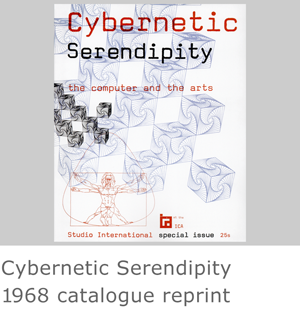
Pixel Pioneers
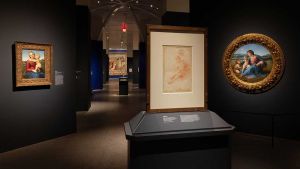
Raphael: Sublime Poetry
Sendak, Mozart and The Magic Flute
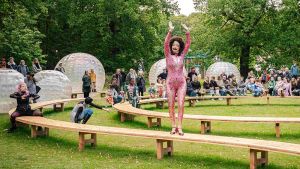
Monster Chetwynd: A Friends Making Machine
Click on the pictures below to enlarge

In the darkest hour, there may be light: Works from Damien Hirst's murderme collection A range of symbols spring to mind when thinking about death: the hooded figure wielding a sickle, the faceless boatman ferrying the souls of the dead across the River Styx, the watery existence ascribed to the souls in Hades' underworld and Purgatory - the quintessential departure lounge where Christian souls gather waiting to pass into eternal bliss.
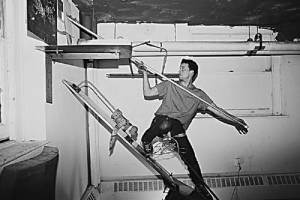
Matthew Barney: Drawing Restraint When we speak of executing something - an article, a work of art, a musical composition - we speak of working towards some kind of resolution, of there being a sequence of events causally related and moving forward in time. Sometimes the end product, in the case of art, will stand on its own without a trace of what went before, as if all moments working up to that point have been washed clean, leaving the work immaculate, but in a way, lifeless.
Abstract America: New Painting and Sculpture In his seminal essay
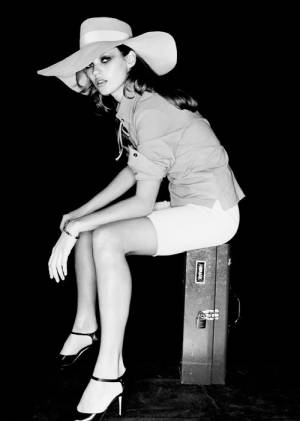
Mario Testino: Kate Who? Kate Who? at the Saatchi Gallery, London examines Mario Testino
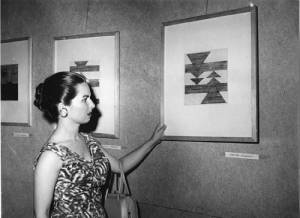
Lygia Pape - Magnetized Space Lygia Pape once said that her primary interest, when she embarked upon a career in the arts in the early 1950s, was to create a relationship between space and structure using the minimum of visual elements possible